Archives
- 2026-07
- 2026-06
- 2026-05
- 2026-04
- 2026-03
- 2026-02
- 2026-01
- 2025-12
- 2025-11
- 2025-10
- 2025-09
- 2025-03
- 2025-02
- 2025-01
- 2024-12
- 2024-11
- 2024-10
- 2024-09
- 2024-08
- 2024-07
- 2024-06
- 2024-05
- 2024-04
- 2024-03
- 2024-02
- 2024-01
- 2023-12
- 2023-11
- 2023-10
- 2023-09
- 2023-08
- 2023-07
- 2023-06
- 2023-05
- 2023-04
- 2023-03
- 2023-02
- 2023-01
- 2022-12
- 2022-11
- 2022-10
- 2022-09
- 2022-08
- 2022-07
- 2022-06
- 2022-05
- 2022-04
- 2022-03
- 2022-02
- 2022-01
- 2021-12
- 2021-11
- 2021-10
- 2021-09
- 2021-08
- 2021-07
- 2021-06
- 2021-05
- 2021-04
- 2021-03
- 2021-02
- 2021-01
- 2020-12
- 2020-11
- 2020-10
- 2020-09
- 2020-08
- 2020-07
- 2020-06
- 2020-05
- 2020-04
- 2020-03
- 2020-02
- 2020-01
- 2019-12
- 2019-11
- 2019-10
- 2019-09
- 2019-08
- 2019-07
- 2019-06
- 2019-05
- 2019-04
- 2018-07
-
The primary or in transit site
2022-02-23
The primary or in-transit site of metastasis for many cancers, including melanoma, are nearby sentinel lymph nodes (LNs) [6]. As such, sentinel LN biopsy is a common procedure to diagnose and stage melanoma progression [7,8]. Sentinel LNs are often the primary site of metastasis due to tumor cell-st
-
Here we show in contrast to previous
2022-02-23
Here we show, in contrast to previous work, that several phenotypes associated with Orb6 inactivation, including increased cell width, are independent of Gef1. We further find that Orb6 positively regulates exocytosis, also independently of Gef1. To identify novel targets of Orb6, we performed quant
-
In a preliminary communication we showed that AT
2022-02-23
In a preliminary communication, we showed that AT and ETB receptors colocalize and coimmunoprecipitate in renal proximal tubule cells, and stimulation of the AT receptor increases ETB receptor expression in Wistar-Kyoto (WKY) rats [abstract; Zeng C,, 26:80A, 2003]. We hypothesize that the ETB recept
-
br Funding The authors disclose the following
2022-02-23
Funding The authors disclose the following support for the research and/or authorship of this article: This work was supported by the Canadian Institutes for Health Research (CIHR). TM is the recipient of a BMS/CTN postdoctoral fellowship and PKQ was funded by a CAHR/CIHR doctoral scholarship. A
-
Regulation of gene expression in
2022-02-23
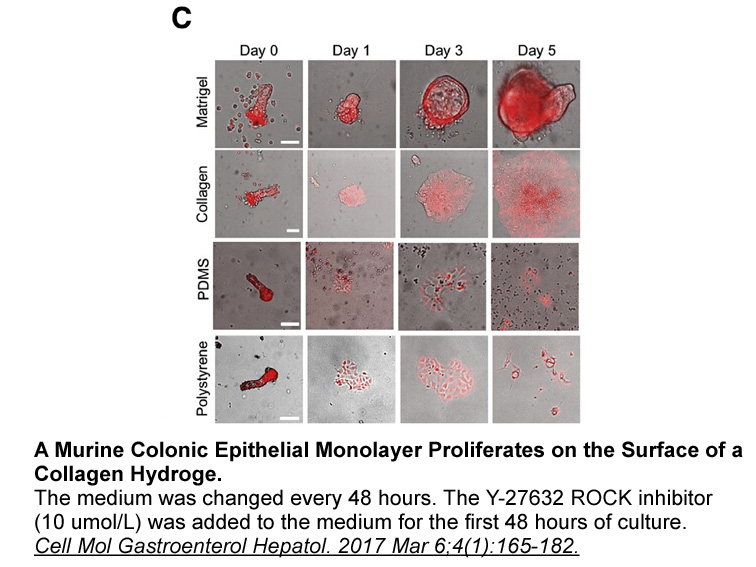
Regulation of gene expression in mammalian cells is governed by the epigenetic machinery, which includes several distinctive yet entangled branches. DNA and histone modifying enzymes, non-coding regulatory RNAs, and ATPase-dependent chromatin remodeling proteins all contribute to the dynamic alterat
-
In our previous studies examining
2022-02-22
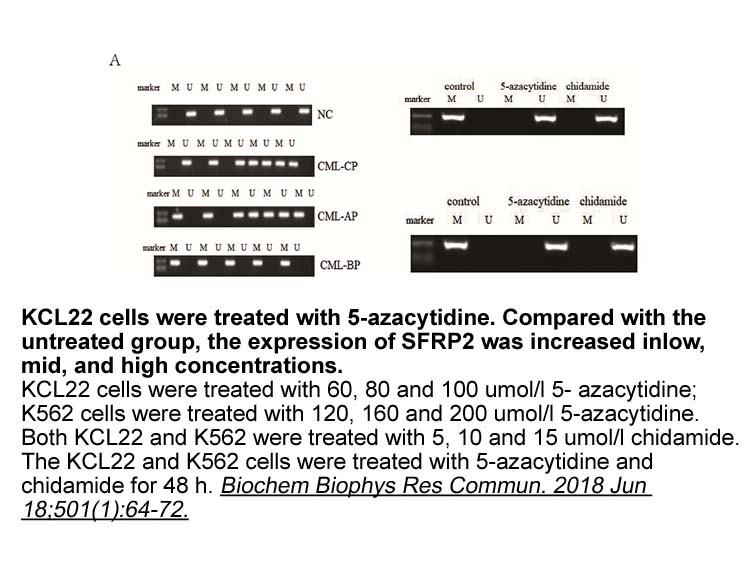
In our previous studies examining erectile responses in sGCα1−/− mice, we found that the sGCα1 subunit was required to obtain proper erectile responses to substances generally known to exert their actions by sGC.17, 18 Based on our previous observation of residual relaxing responsiveness to exogenou
-
br GSNOR activity and functions The identification of
2022-02-22
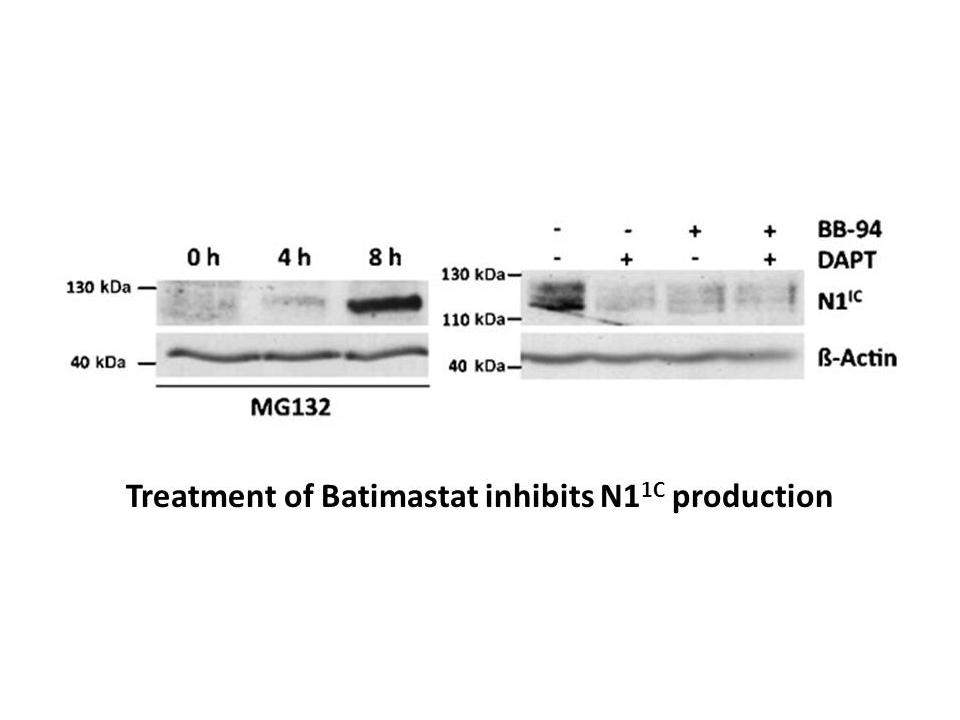
GSNOR activity and functions The identification of the enzyme responsible for GSNO decomposition dates back to 1998, when Jensen and colleagues described an NAD(P)H-dependent GSNO catabolizing activity in cytosolic fractions obtained from rat liver [16]. Upon purification, they identified this en
-
br Introduction Human immunodeficiency virus HIV is a retrov
2022-02-22
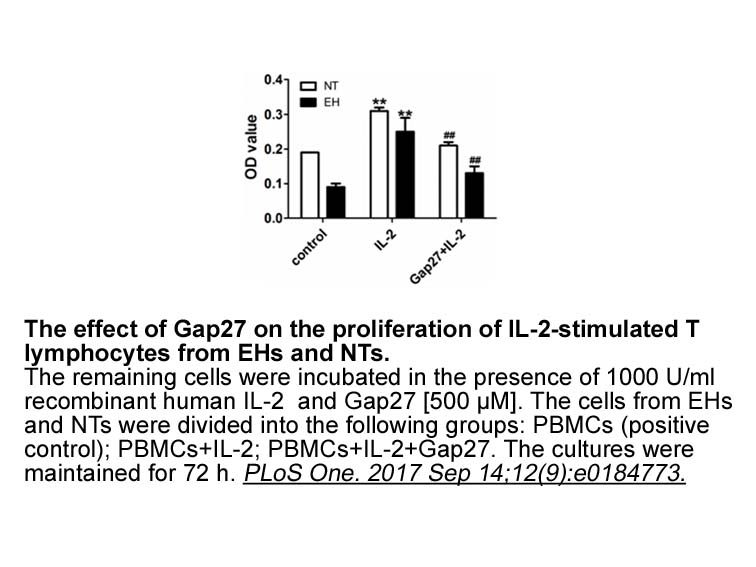
Introduction Human immunodeficiency virus-1 (HIV-1) is a retrovirus that primarily infects components of the human immune system, such as CD4+ T cells, macrophages and dendritic glutamate transporter (Clapham and McKnight, 2001). HIV directly and indirectly destroys CD4+ T cells, which leads to
-
br Background In resource limited
2022-02-22
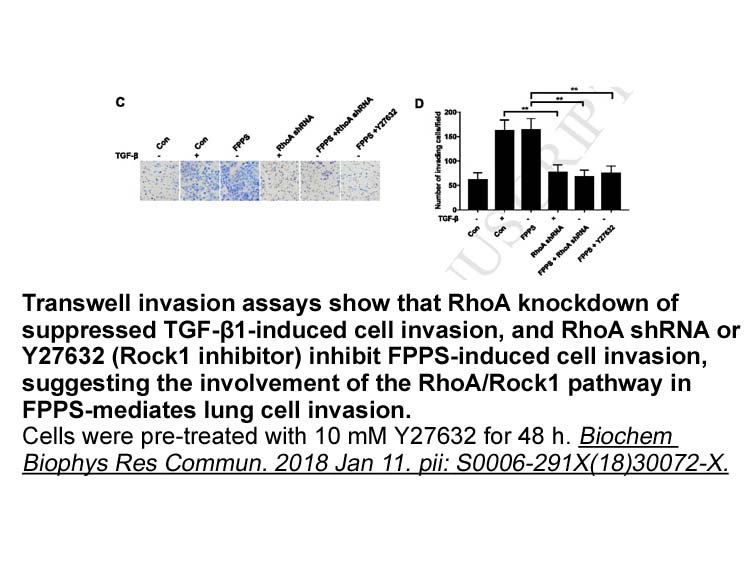
Background In resource-limited countries, many HIV patients currently do not have reliable access to essential diagnostic laboratory tests, including CD4, clinical chemistry, hematology, viral load, and diagnosis of common co-infections. CD4 T cell count monitoring remains an important surrogate
-
H 89 Obestatin increased GnRH mRNA expression in the POA bei
2022-02-22
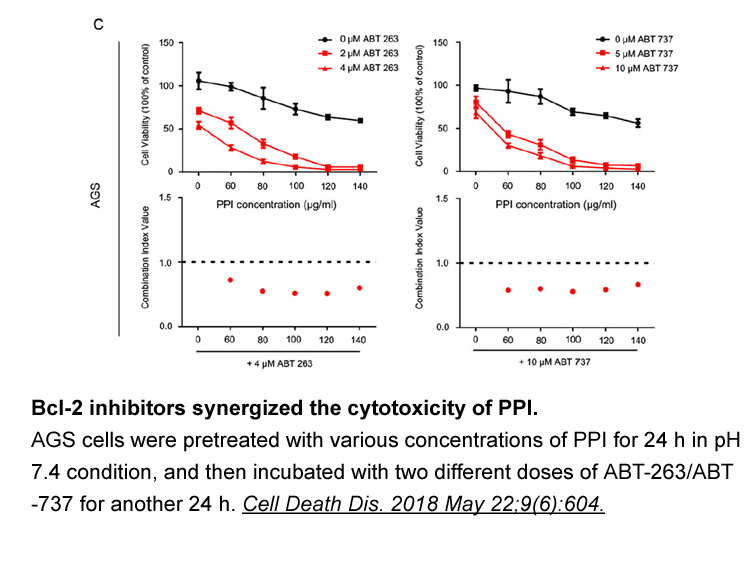
Obestatin increased GnRH mRNA expression in the POA, being the main place of GnRH synthesis (Goodman, 2015). Simultaneously, obestatin also caused a decrease in the GnRH mRNA expression in ME, without affecting the level of this peptide mRNA in AHA. A lack of differences observed in the mRNA level i
-
Then the seven complexes GLOI indomethacin GLOI zomepirac GL
2022-02-22
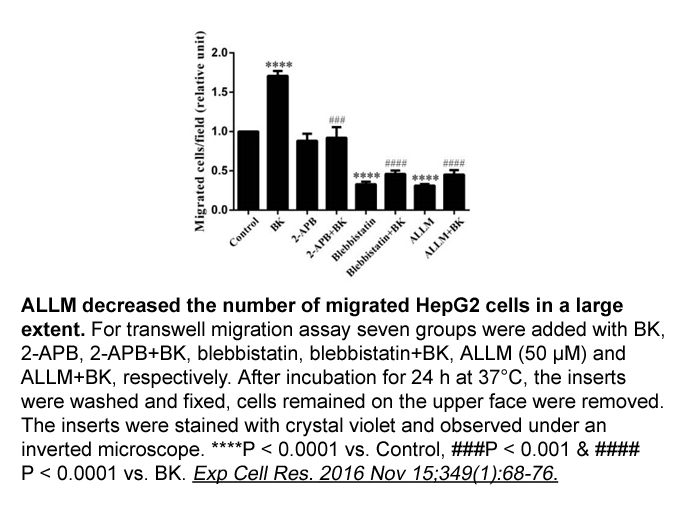
Then the seven complexes (GLOI-indomethacin, GLOI-zomepirac, GLOI-fenoprofen, and GLOI-ketoprofen, GLOI-tolmetin GLOI-curcumin, and GLOI-bisdemethoxycurcumin) were energy-minimized to remove unfavorable steric strain relative to the force field adopted. Further MD simulations were carried out based
-
In conclusion we have shown that AKR D regulates
2022-02-22
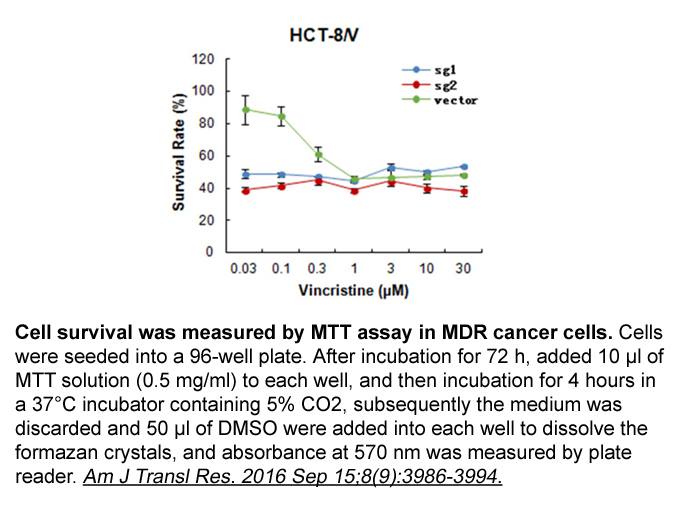
In conclusion, we have shown that AKR1D1 regulates glucocorticoid availability and GR activation and therefore represents a key pre-receptor regulator of hormonal action in human liver. However, there are additional questions that need to be addressed including dissecting the broader role of AKR1D1
-
Many studies support that Gli
2022-02-22
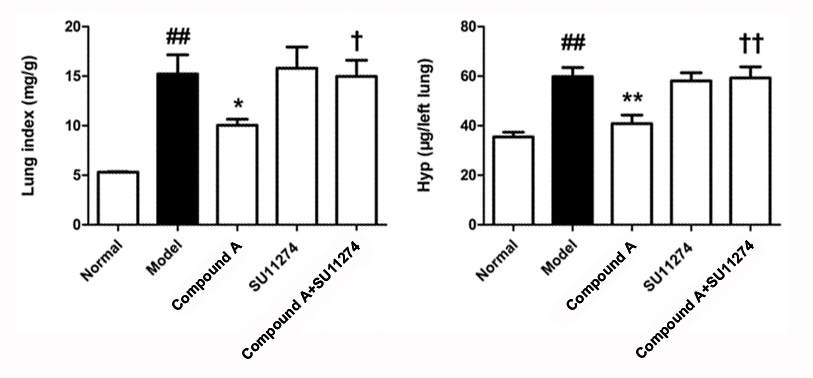
Many studies support that Gli transcription factors are not solely regulated by Hh/smo signaling but are also influenced by crosstalk with other pathways, such as RAS, PI3K/AKT, transforming growth factor-b/SMAD, PKC, or extracellular signal-regulated kinase pathways which are downstream and indepen
-
Ghsr may have therapeutic value
2022-02-22
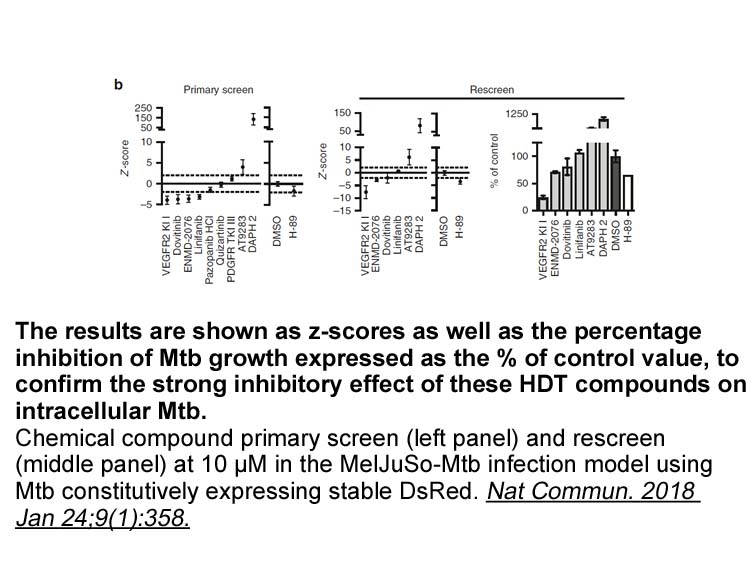
Ghsr may have therapeutic value in disorders associated with impairments in AHN. As anxiety disorders and enhanced fear responses observed in PTSD are linked with overgeneralization of similar but distinct memories (i.e poor discrimination), we suggest that acyl-ghrelin’s anti-anxiety effect (Lutter
-
To improve the preferential GalR binding we
2022-02-22

To improve the preferential GalR2 binding, we synthesized M1152 where the N-terminal Gly residue was deleted, in analogy with previously designed M871 (Sollenberg et al., 2006). In addition to the poor affinity of M871 for GalR1, a recent study showed that it also hardly recognized by GalR3 (Sollenb
16426 records 526/1096 page Previous Next First page 上5页 526527528529530 下5页 Last page